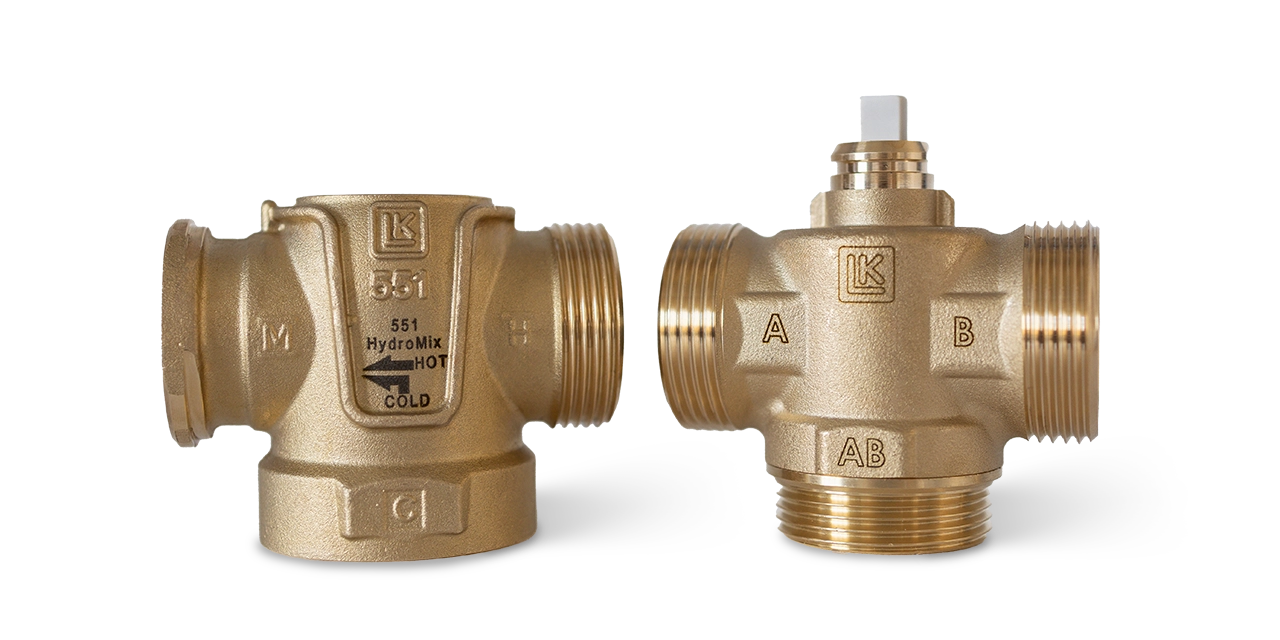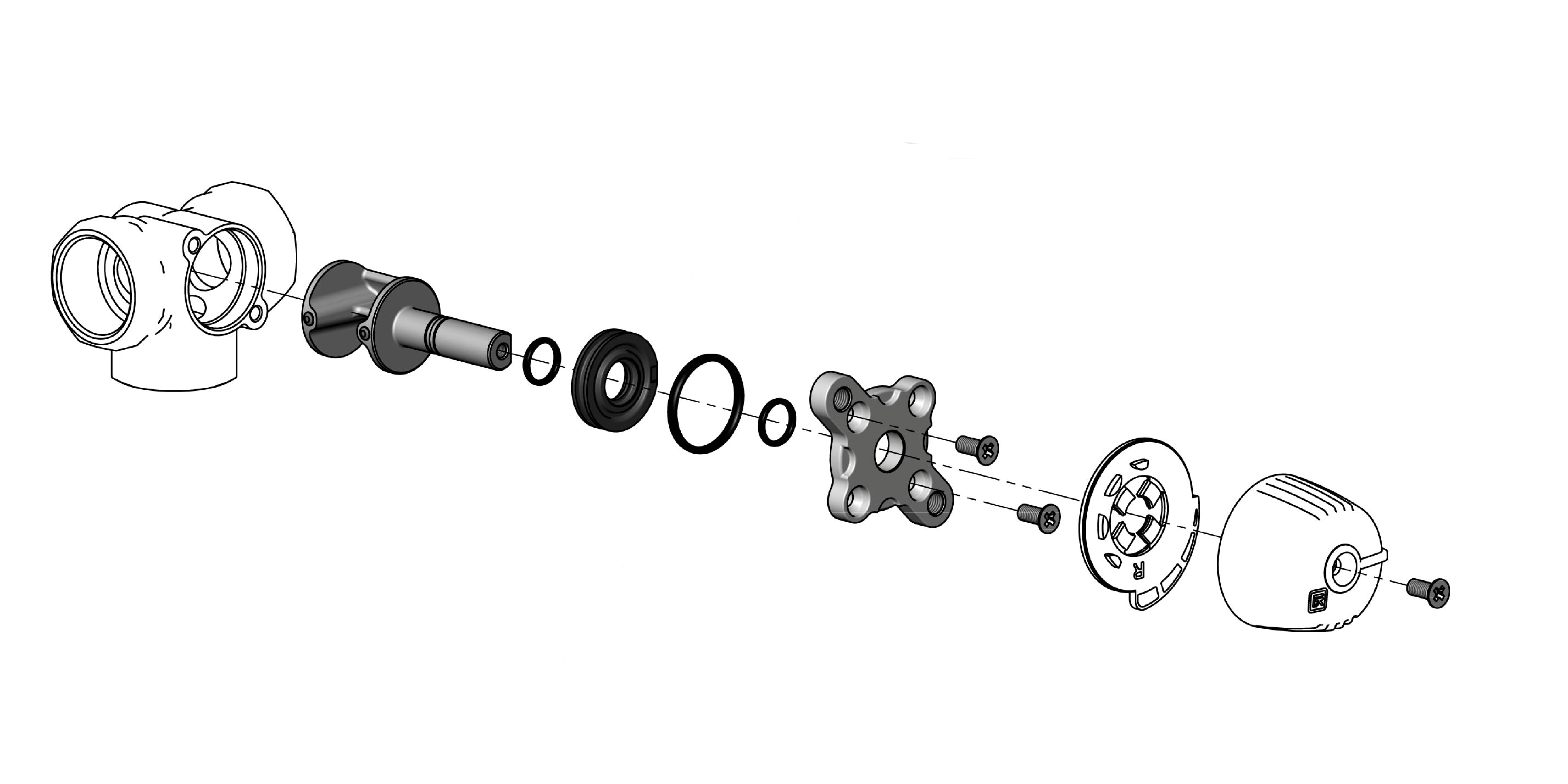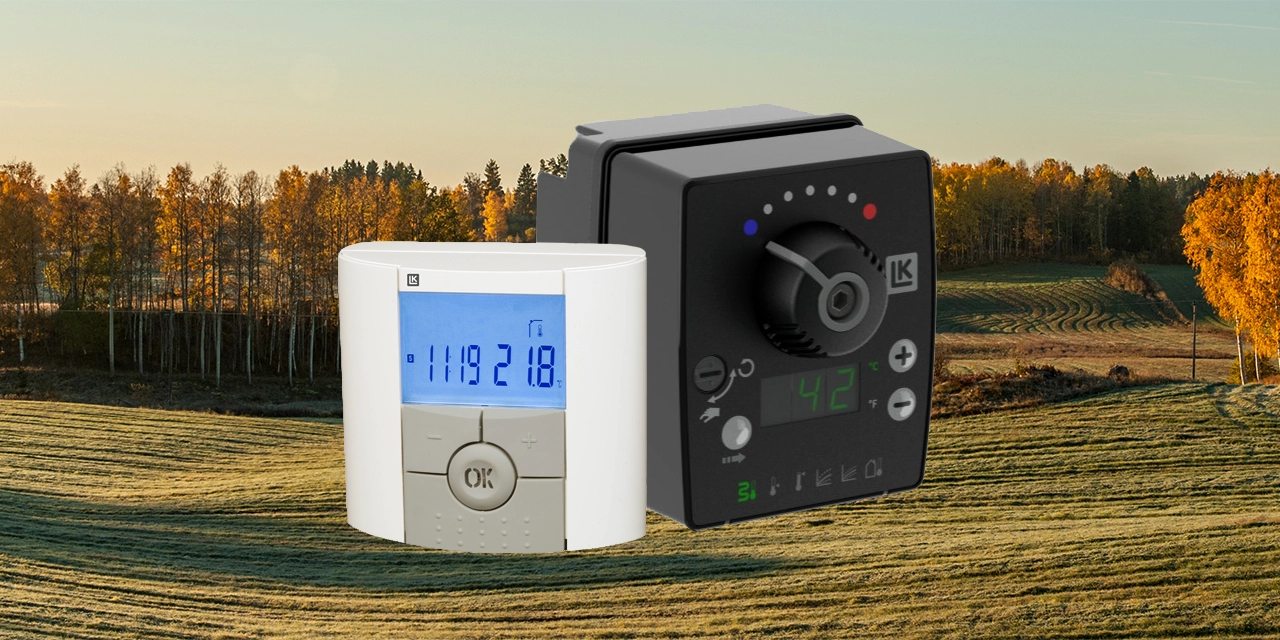
LK Armatur is a leading producer in Europe, manufactures millions of valves per year for the global HVAC market. Our solutions are based on a comprehensive view of how valves, control units, components and prefabricated products work together.
LK Systems is the leading manufacturer of easy-to-install systems for heating and tap water distribution and pre-insulated pipes in the Nordics. Through our prefabrication factory, we also provide tailor-made solutions that simplify the installation process even further.
Our PEX Pipe Extrusion business area is an innovative manufacturer of high-quality plastic pipes for the heating and plumbing industry. Our core is the efficient, high-technology production process for crosslinked PE-Xa pipes, resulting in products with a unique combination of flexibility and hydrostatic strength.
LK is a family-owned trading and production group, operating on a global scale within the HVAC-area. We are the market leader in Sweden and has an increasing sales of products, systems and solutions in the Nordic countries, Europe and the USA.

A product's environmental impact begins to take shape long before it reaches the customer. That is why we consider the whole life cycle as we develop our products – from materials and design to packaging, performance in use and what happens at the end of life. By combining environmental data with engineering expertise, we look for ways to reduce impact while maintaining the function, quality and reliability our customers depend on.
The materials used in and around a product account for an important part of its environmental impact. That is why we consider recycled content, technical performance, substance requirements and packaging when deciding what goes into our products and how they reach the customer.
Material choices must support performance, safety and durability while helping us reduce environmental impact.
Packaging must protect the product throughout storage and transport, but it should not use more resources than necessary.
Durability starts with designing for the conditions a product will face. We combine carefully selected materials with reliable engineering to create products that perform over time, while also considering maintenance and eventual recycling.
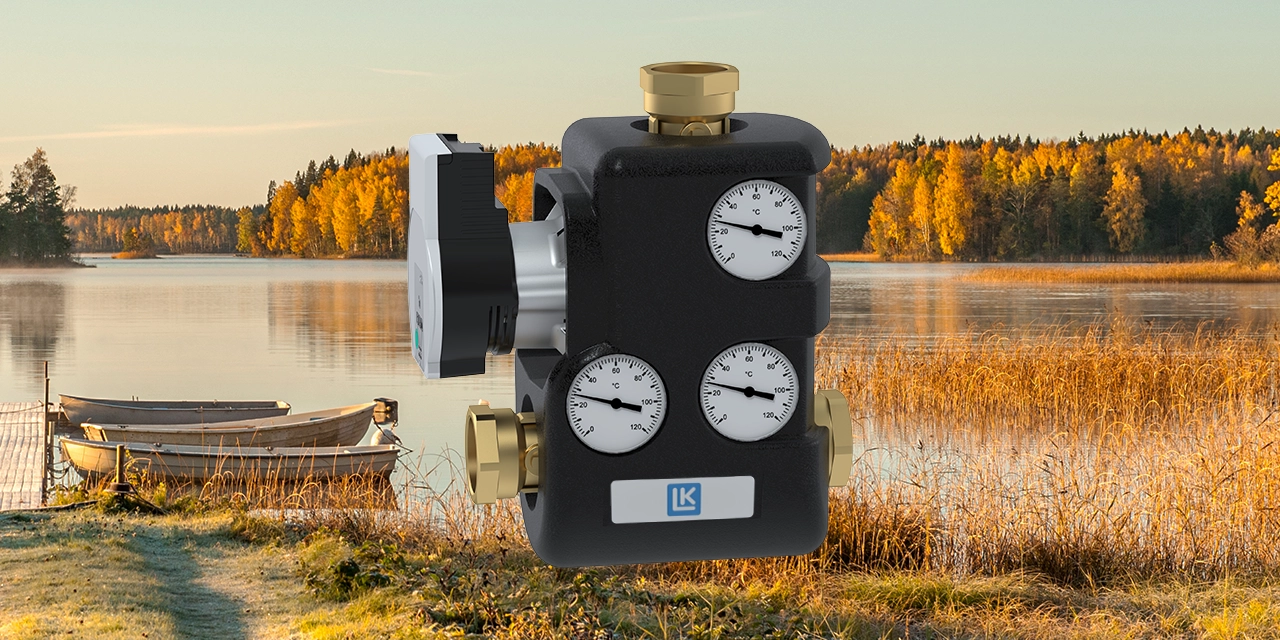
Many of our products operate as part of a larger heating or cooling system. Their contribution can therefore go beyond their own material footprint. By regulating temperature, flow and circulation, they can help the wider system use energy more effectively and operate as intended.
The examples below show two different ways this can work in practice.
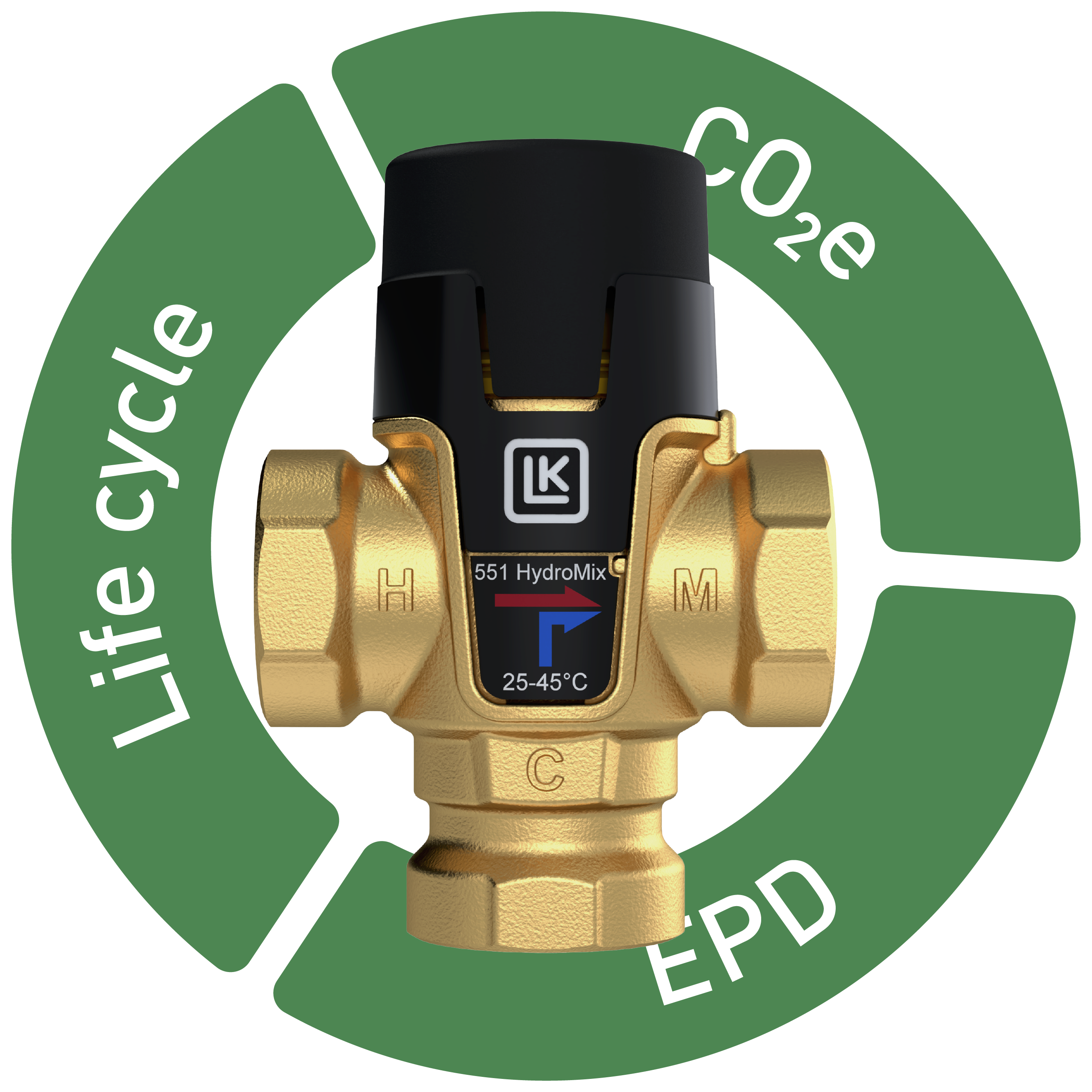
Reliable environmental data helps our customers understand product impact and meet their own documentation requirements. We are therefore working to make more product-level climate information available.
We calculate greenhouse gas emissions in carbon dioxide equivalents (CO₂e) using a life-cycle perspective. By breaking down the results, we can identify which materials and life-cycle stages contribute most to a product's climate impact, rather than looking only at the total.
This knowledge helps guide product development, from evaluating materials and refining designs to identifying areas for improvement in production and the supply chain.

When a customer or project requires standardised and independently verified environmental data, we can develop an Environmental Product Declaration (EPD) for the relevant product. Based on a life cycle assessment, an EPD presents information about the product's environmental impact in a recognised format.